
Dubai has long been recognized as a city where modernity meets tradition, creating architectural marvels that blend innovative design with cultural heritage. From the towering skyscrapers of Downtown Dubai to the serene villas of Emirates Hills, every building reflects a commitment to aesthetic excellence and functionality. In recent years, architects and designers have increasingly looked to reinterpret traditional elements in ways that resonate with contemporary lifestyles. Among these, the Mashrabiya—a centuries-old architectural feature traditionally made of wood—has undergone a remarkable transformation. Today, Steel Mashrabiya installations are emerging as a distinctive design solution that preserves cultural identity while delivering the durability and versatility demanded by Dubai’s modern environment.
The Historical Significance of Mashrabiya
Historically, the Mashrabiya has been a defining element of Middle Eastern architecture. Characterized by intricate latticework, this feature allowed residents to enjoy natural ventilation, shade, and privacy simultaneously. Beyond its functional purposes, Mashrabiya designs also conveyed artistic expression, with patterns often reflecting local traditions and Islamic geometric motifs. In Emirati homes, the Mashrabiya was more than a practical solution; it symbolized an architectural dialogue between comfort, culture, and elegance.
As Dubai grew into a global city, architects faced the challenge of incorporating these cultural elements into contemporary projects. While wood was traditionally used, the material had limitations, especially in terms of longevity and maintenance. Frequent exposure to heat, humidity, and occasional moisture rendered wooden structures vulnerable to wear and decay. This prompted a search for materials that could honor tradition while accommodating Dubai’s modern construction standards.
Modern Adaptation: Steel Mashrabiya
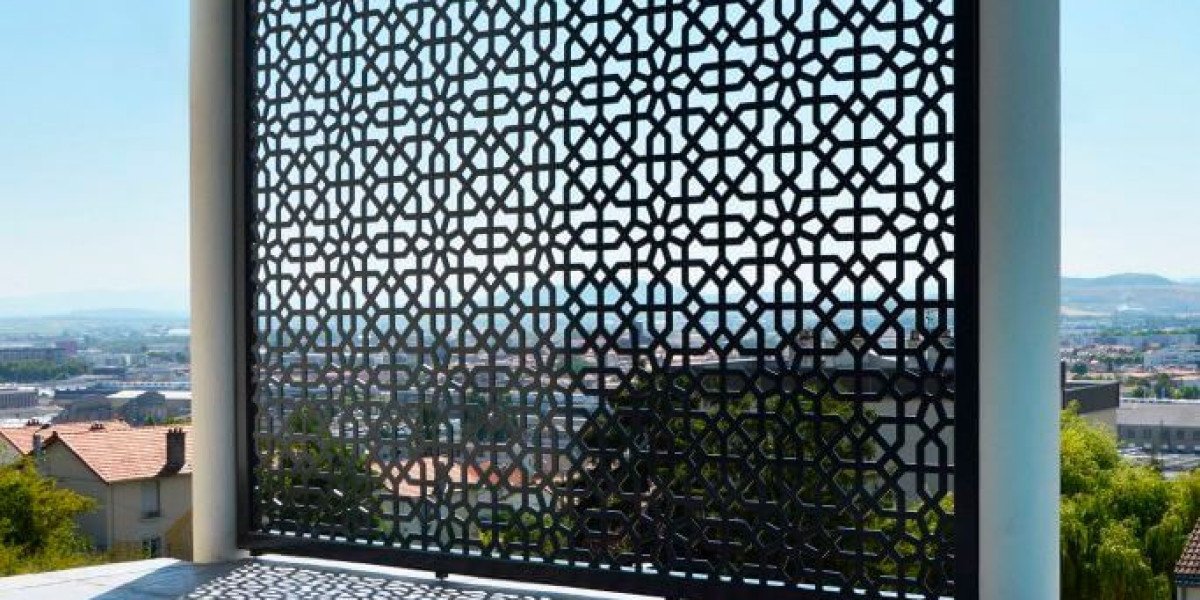
Steel Mashrabiya represents a contemporary reinterpretation of this iconic feature, combining traditional design principles with modern materials and fabrication techniques. By using steel, designers can create latticework with exceptional precision, intricate patterns, and a wide range of customization options. The material’s strength ensures long-term durability, allowing installations to withstand Dubai’s challenging climate without frequent maintenance. Additionally, steel’s flexibility enables architects to explore bold geometries and large-scale panels that were previously difficult to achieve with wood.
The benefits of steel extend beyond durability. Steel Mashrabiya allows for powder-coated finishes, anodization, or other protective treatments that enhance aesthetics while resisting corrosion. This makes it an ideal solution for both indoor and outdoor applications, from decorative facades to functional screens that control sunlight and airflow. By maintaining the essence of the traditional Mashrabiya, yet enhancing its practicality, steel installations have become a preferred choice for developers seeking both elegance and resilience.
Applications Across Residential and Commercial Projects
Dubai’s architecture is diverse, spanning luxurious residential villas, high-rise apartments, corporate offices, and hospitality establishments. In residential settings, Steel Mashrabiya panels are increasingly used as balcony screens, window coverings, and room dividers. These installations provide privacy without compromising natural light, creating a serene indoor environment that complements modern interiors. Additionally, the patterns of the latticework can be customized to reflect the homeowner’s personal style, from minimalist geometric designs to elaborate traditional motifs.
In commercial spaces, the applications of Steel Mashrabiya extend to façades, entrance screens, partitions, and decorative wall panels. Hotels and restaurants, for instance, use these installations to create captivating visual features that impress guests while maintaining functional benefits. Beyond aesthetics, steel panels serve practical roles, such as sun shading, ventilation, and airflow management, which are critical in high-traffic or open-plan commercial settings. By combining form and function, these elements enhance both the efficiency and the appeal of modern workplaces and hospitality venues.
Design Versatility and Artistic Expression
One of the key factors driving the popularity of Steel Mashrabiya in Dubai is its remarkable design versatility. Modern fabrication techniques, including CNC cutting and laser engraving, allow architects to explore intricate patterns that are both structurally sound and visually striking. Designers can merge cultural motifs with contemporary geometries, producing panels that are uniquely tailored to the building’s character. This level of customization ensures that each project stands out, while simultaneously preserving the cultural narrative inherent in Mashrabiya design.
The interplay of light and shadow is another compelling aspect. As sunlight passes through the perforated steel patterns, dynamic shadows are cast onto interior spaces, creating a constantly changing visual effect. This not only enhances the ambiance but also reinforces the traditional purpose of the Mashrabiya, where latticework moderated light and temperature while maintaining privacy. The modern steel adaptation amplifies this effect with precision and consistency that is difficult to achieve with traditional materials.
Sustainability and Long-Term Performance
In addition to aesthetics and functionality, sustainability has become a central consideration for Dubai’s developers. Steel Mashrabiya panels offer long-term environmental benefits, as steel is highly recyclable and can be repurposed at the end of its lifecycle. Moreover, the durability of steel reduces the frequency of replacements, contributing to lower material consumption over time. These features align well with Dubai’s commitment to sustainable development and eco-friendly construction practices.
The long-term performance of steel is also well-suited to Dubai’s climate. Unlike wood or other organic materials, steel panels resist warping, fading, and corrosion, even in coastal regions with high humidity and salt exposure. This resilience ensures that architectural features remain functional and visually appealing for decades, making steel a sound investment for luxury residential and commercial projects alike.
Enhancing Interior and Exterior Spaces
Steel Mashrabiya is not limited to exterior applications. Interior designers increasingly incorporate these panels into living spaces, lobbies, conference rooms, and restaurants. By acting as partitions or decorative wall elements, steel panels contribute to spatial organization while enhancing visual interest. The reflective quality of steel, combined with intricate patterns, can accentuate lighting designs and architectural lines, creating a cohesive aesthetic that resonates with modern luxury interiors.
Exterior installations, meanwhile, serve as façades, balcony guards, sunshades, or courtyard screens. These applications demonstrate the material’s dual capacity for functional performance and artistic expression. For developers, this versatility is invaluable, allowing a single design element to address multiple architectural and operational needs.
Cultural Significance Meets Contemporary Innovation
What makes Steel Mashrabiya particularly compelling in Dubai is its ability to bridge heritage and innovation. It respects cultural origins while embracing modern technology, reflecting the city’s identity as a hub of progressive architecture rooted in tradition. Developers and designers increasingly recognize that integrating traditional motifs into contemporary buildings not only adds visual richness but also strengthens the cultural narrative of a project.
By reimagining traditional Mashrabiya patterns with steel, designers communicate a sense of timelessness, elegance, and sophistication. This approach aligns with Dubai’s broader architectural ethos, where innovation is often informed by cultural awareness and contextual relevance. Steel Mashrabiya thus represents both a practical solution and a statement of design intent, uniting beauty, function, and heritage.
Conclusion
The growing popularity of Steel Mashrabiya in Dubai reflects a broader trend of merging tradition with modernity. These installations provide practical benefits, such as durability, low maintenance, and adaptability to diverse environments, while retaining the artistic and cultural essence of traditional Mashrabiya designs. From residential villas to commercial buildings, hospitality venues, and public spaces, steel panels have emerged as a versatile solution that enhances privacy, regulates light, and elevates architectural aesthetics.
By combining advanced fabrication techniques with cultural inspiration, Steel Mashrabiya demonstrates how Dubai’s architecture continues to evolve while honoring its heritage. As developers and designers increasingly adopt this material, it is poised to remain a defining feature of luxury interiors and exteriors across the city. The result is a built environment that celebrates craftsmanship, innovation, and cultural continuity—ensuring that Dubai remains a global leader in architectural excellence.