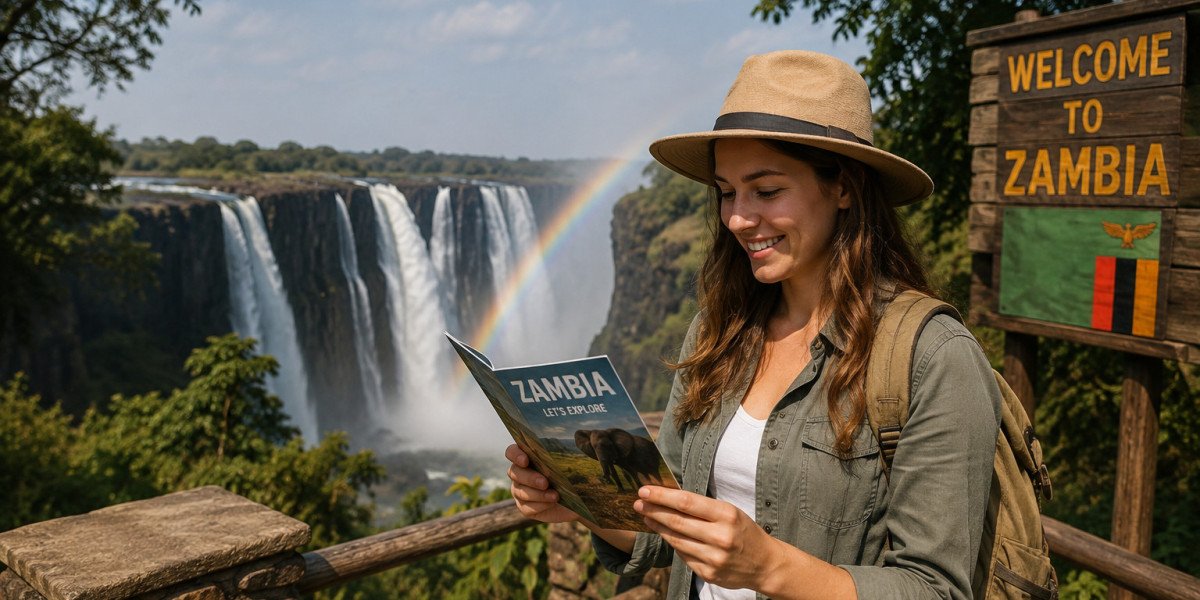

Planning a holiday getaway to explore the natural wonders and vibrant wildlife of Zambia requires careful preparation. Securing travel permits smoothly begins with understanding the exact documentation guidelines, processing timelines, and entry specifications. The Zambia Tourist eVisa provides an online travel authorization option for eligible visitors, allowing them to complete the visa process before travelling and focus on enjoying Zambia’s scenic landscapes, wildlife safaris, cultural attractions, and other tourist experiences.
What Are the Core Document Requirements for a Zambia Tourist eVisa?
A Zambia Tourist eVisa application should include clear documents that verify your identity, travel plans, financial or sponsorship arrangements, and eligibility.
- Passport Bio Page: Clear passport information page with sufficient validity and blank pages.
- Recent Photograph: Color passport-size photo with a plain background and visible facial features.
- Return or Onward Ticket: Proof of planned departure from Zambia.
- Covering Letter: Signed letter explaining the purpose and itinerary of the visit.
- Student Letter: Enrollment and approved-leave confirmation, where applicable.
- Host Identification: NRC, passport, or residence permit of the host, if applicable.
- Host or Sponsor Letter: Supporting letter explaining the visit and sponsorship arrangements.
- Company Documents: Relevant incorporation documents when a company is involved.
What Are the Estimated Processing Times for Your Zambia Tourist eVisa Application?
The Zambia Tourist eVisa processing time depends on the selected service level, with Standard Processing generally taking 5–7 working days, Rush Processing taking around 3–5 working days, and Super Rush Processing taking approximately 2–3 working days; applicants should apply early to allow sufficient time for review and any possible document-related delays.
How to Apply for a Zambia Tourist eVisa Online?
Applying for a Zambia Tourist eVisa involves completing an online application and submitting the required travel documents for review.
- Complete the Application: Enter your personal, passport, and travel information accurately.
- Upload Documents: Submit the required passport scan, photograph, ticket, and other supporting documents.
- Review Details: Carefully check all information before submitting to avoid errors or processing delays.
- Pay the Fee: Complete the applicable visa payment through the available online payment method.
- Submit the Application: Send the completed application for processing and review.
- Receive the eVisa: Once approved, receive your Zambia Tourist eVisa electronically and keep a copy for your journey.
What Activities Are Allowed With a Zambia Tourist eVisa?
A Zambia Tourist eVisa is intended for short-term tourism and leisure activities, allowing eligible visitors to enjoy Zambia’s attractions without using the visa for employment or other restricted purposes.

- Wildlife Safaris: Visit national parks and participate in guided wildlife experiences.
- Sightseeing: Explore attractions such as Victoria Falls, museums, landmarks, and scenic areas.
- Cultural Experiences: Attend cultural festivals, visit traditional communities, and experience local customs.
- Leisure Activities: Enjoy photography, nature walks, boat trips, and other recreational activities permitted for tourists.
- Visiting Friends or Family: Spend time with relatives or friends during your temporary stay, where permitted under the visa conditions.
- Tourist Events: Attend tourism-related events and activities that do not involve employment or commercial work.
Which Entry Points Accept the Zambia Tourist eVisa?
The Zambia Tourist eVisa can be used at designated international airports and selected major land border crossings equipped to verify electronic travel authorizations.
- Kenneth Kaunda International Airport (LUN): Zambia’s main international gateway in Lusaka.
- Harry Mwanga Nkumbula International Airport (LVI): Located in Livingstone and convenient for travelers visiting Victoria Falls.
- Simon Mwansa Kapwepwe International Airport (NLA): Serves Ndola and the Copperbelt region.
- Selected Land Border Crossings: Certain major international land borders may accept eVisa holders through electronic verification facilities.
Do You Need to Print Your Zambia Tourist eVisa?
Yes, you should print your Zambia Tourist eVisa and carry the physical copy with your valid passport when traveling, as immigration officers or airline staff may ask to see the approved eVisa during check-in, boarding, or arrival procedures in Zambia.
What Are the Most Popular Cultural Festivals in Zambia?
Zambia’s cultural festivals offer visitors a chance to experience the country’s traditional heritage, music, dance, ceremonies, and local customs.

- Kuomboka Ceremony: A famous Lozi festival featuring the ceremonial journey of the Litunga.
- Likumbi Lya Mize: A Luvale cultural festival featuring traditional dances, ceremonies, and costumes.
- Nc’wala Ceremony: An important Ngoni celebration showcasing traditional customs, music, and dance.
- Umutomboko Ceremony: A Lunda festival highlighting traditional performances and cultural heritage.
- Kulamba Ceremony: A major Chewa gathering celebrating cultural traditions and community heritage.
Conclusion:
Embarking on an unforgettable African holiday relies heavily on organizing your travel paperwork correctly well ahead of departure. Fulfilling the precise documentation criteria, double-checking passport validity, and submitting your digital permit applications through proper channels ensures a seamless arrival experience. By keeping yourself informed of processing speeds, entry port options, and local cultural highlights, you set the stage for a smooth, stress-free adventure discovering the breathtaking landscapes and rich traditions of the region.